


Are you apprehensive about using ADHD medications? Unlocking ADHD contributor Samantha Hui looks further into the reasons for using medication to manage ADHD, how to find the right dosage and what a medication trial means.
Why should you consider ADHD medication?

ADHD is considered one of the most treatable mental health conditions partly because there are medications that can directly address the symptoms of the condition, such as difficulties with attention, hyperactivity and impulsivity. The effects of such medications also kick in rather quickly to alleviate ADHD symptoms, leading to many more positive outcomes.
It is not uncommon to feel apprehensive about taking medications for ADHD because there are many misconceptions about the effects of the medication. Having an accurate understanding of ADHD medications is important to developing the right motivation to use them effectively.
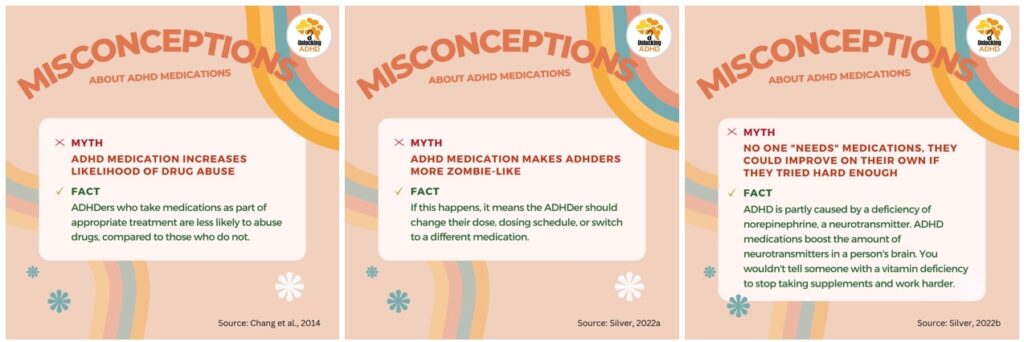
For an introduction to ADHD medication and our event by Dr Dan Shapiro, US Board Certified Developmental and Behavioural Pediatrician on whether to medicate your ADHD child or not (which also applies to adults), please click here.
How should I go about managing ADHD medications?
As a team, the goal for both you and your psychiatrist will be to figure out how much of what kind of medication will help you reduce your ADHD symptoms as much as you want, without giving you side effects you are unwilling to tolerate. Everyone’s body is different. Thus the type of ADHD medication, and how much of it to take will vary for each individual.
It is important for you to observe and take notes about how much of a particular ADHD medication is helping you in certain areas, or negatively impacting you in particular ways. Then, you need to relay it to your psychiatrist. Just like a trip to the Dentist, the psychiatrist can’t do anything unless you open your mouth!
Step 1: Determining what kind of medication works for you
There are two kinds of medications that treat ADHD symptoms — stimulant & non-stimulant medications. Your psychiatrist will work closely with you to figure out whether stimulant medications or non-stimulant medications are more appropriate in your specific situation.
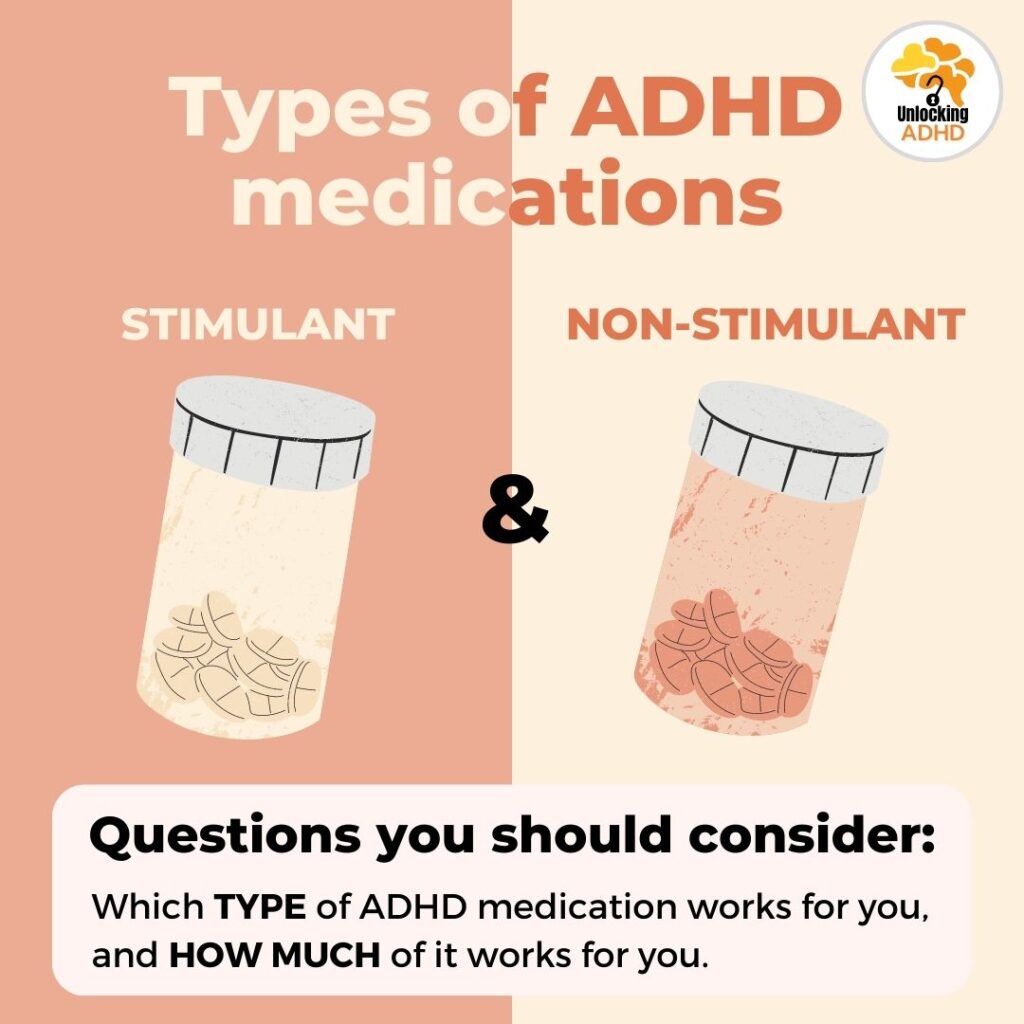
Step 2: Figuring out how much ADHD Medication to Take
After you have settled with your psychiatrist on whether stimulant or non-stimulant medications will work for you, your psychiatrist will likely start you off at the lowest dosage of the prescribed medication.
You should take note of what positive or negative effects the ADHD medication prescribed has on you. Your feedback to the psychiatrist will enable him or her to adjust the dosage accordingly.
It is important to recognize that finding the optimum dosage for ADHD medication does not happen immediately but requires a process of testing different dosages and types of medication to determine the best combination for you. Thus patience is required in this process.
Resources for Taking Effective Notes to Relay to your Psychiatrist
If you are feeling lost about what exactly to tell your psychiatrist when giving feedback on the medication or you are afraid that you’ll forget what to say when you are sitting in your psychiatrist’s office, there are certain templates available that can help guide you in effectively communicating this important information.
Useful templates can be found on Dr Dan Shapiro’s Resource page on his website at parentchildjourney.com.
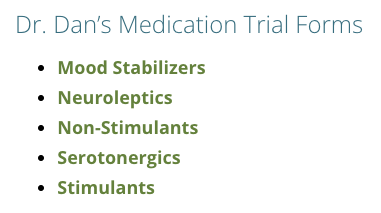
The templates will guide you on what you should be looking out for in terms of the benefits you should be getting from ADHD medications and the common side effects you might experience from ADHD medications. It also contains suggestions on what to do depending on what kind of benefits or side effects you are experiencing, which you can discuss with your psychiatrist.

Once a week, fill up the forms featured below that will guide you on what to look out for when taking your medications. On your next visit to your psychiatrist, show them your observations. This will help your psychiatrist figure out with you how much of what kind of medication will help you reduce your ADHD symptoms without giving you side effects you are unwilling to tolerate.
Step 3: Keeping Up the Habit of Taking ADHD Medications
It’s also important for you to keep up the practice of regularly taking your medications. It helps every week to keep track of how well you stick to your medication and schedule. You can also consider ways to better adhere to your plans.
- Some people find it easier to keep their medications by their bedside table or other visible areas in their house;
- Others prefer scheduling reminders on their handphone or
- Putting their medications in a place where their family members can monitor whether they are taking their medications.
You can also identify barriers stopping you from taking your medications regularly, such as if you forget to get more medications from the doctor, or if you keep carrying it in the wrong bag when you leave the house.
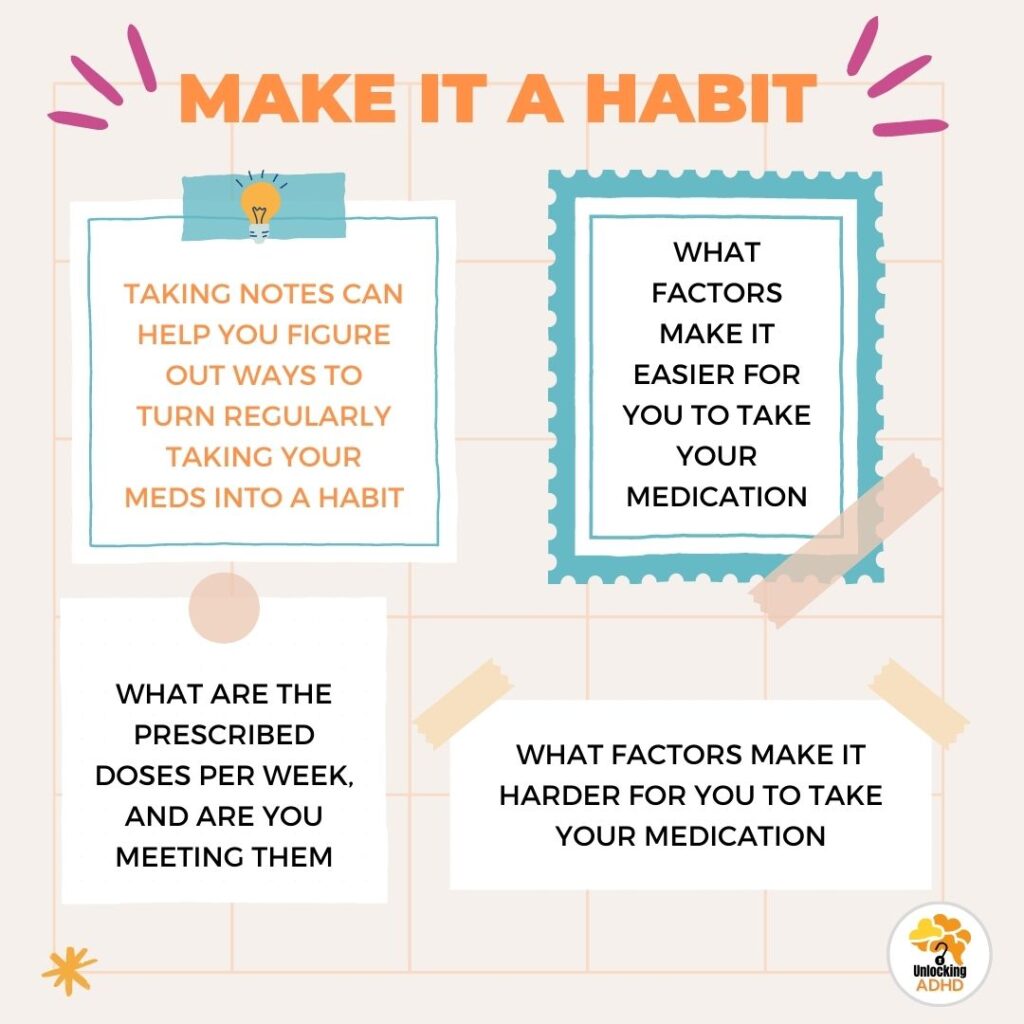
Through this you can also figure out how to make it as easy as possible to stick to a regular routine.
Reminder:
Note that “pills don’t teach skills”. While medication can alleviate the symptoms of ADHD, it won’t teach you skills like organisation and planning (Schachar et al., 2002). However, using medication while trying to pick up new skills and habits can be easier when you’re not held back by your ADHD symptoms (Smith & Shapiro, 2015).
Unlocking ADHD presented two webinars on Understanding and Managing ADHD Medication in two-parts featuring Dr Dan Shapiro (Developmental Behavioural Pediatrician), Dr Adrian Loh (Child & Adolescent Psychiatrist) and Dr Bhanu Gupta (Adult Psychiatrist)
Please watch these videos for insights into how ADHD medication works, what are the common misconceptions, addressing side effects, implementing a medication trial and medication strategies for daily routines. You will also find out the answers to questions such as how young is too young, and how old is too old, and everything else in between!
References:
Schachar, R., Jadad, A. R., Gauld, M., Boyle, M., Booker, L., Snider, A., … & Cunningham, C. (2002). Attention-deficit hyperactivity disorder: critical appraisal of extended treatment studies. The Canadian Journal of Psychiatry, 47(4), 337-348.
Smith, B. H., & Shapiro, C. J. (2015). Combined treatments for ADHD. In R. A. Barkley (Ed.), Attention-deficit hyperactivity disorder: A handbook for diagnosis and treatment (pp. 686–704). The Guilford Press.
Fabiano, G. A., Pelham, W. E., Jr., Gnagy, E. M., Burrows-MacLean, L., Coles, E. K., Chacko, A., Wymbs, B. T., Walker, K. S., Arnold, F., Garefino, A., Keenan, J. K., Onyango, A. N., Hoffman, M. T., Massetti, G. M., & Robb, J. A. (2007). The single and combined effects of multiple intensities of behavior modification and methylphenidate for children with attention deficit hyperactivity disorder in a classroom setting. School Psychology Review, 36(2), 195–216.
Chang, Z., Lichtenstein, P., Halldner, L., D’Onofrio, B., Serlachius, E., Fazel, S., Långström, N., & Larsson, H. (2014). Stimulant ADHD medication and risk for substance abuse. Journal of child psychology and psychiatry, and allied disciplines, 55(8), 878–885.
Silver, L. (2022a). ADHD Medication Side Effects No One Should Tolerate. ADDitude.
Silver, L. (2022b). ADHD Neuroscience 101. ADDitude.


Good. How can I get a medication, I stay in Minna, Niger State, Nigeria.
you probably have to speak with a doctor in Nigeria, where you are based. Medication prescription is subject to strict regulations as ADHD medication is a controlled substance